
It matters deeply.
For years, those of us who speak out against Hindutva have been told that we are overreacting, being divisive, or wrongly naming an ideology and its institutions. But grassroots communities, journalists, scholars and human rights advocates have repeatedly documented that the attack on religious freedom in India is not accidental. This is not marginal. This is not just the work of a few extremists acting alone. It is structural, ideological and sustainable. The designation of RSS by USCIRF makes clear that this reality can no longer be dismissed as rhetorical excess or partisan framing.
RSS is not a marginal organization. It is one of the central engines of Hindu nationalist ideology and organization in India. Its influence has helped shape a political environment in which Muslims, Christians, Dalits, Adivasis, Sikhs and a range of dissidents face deep exclusion, fear and insecurity. When a US government organization focused on religious freedom calls for the RSS to be banned by name, it is acknowledging what many have paid dearly to say: that religious freedom violations in India are being enabled and normalized not just by individual bad actors, but by powerful institutions.
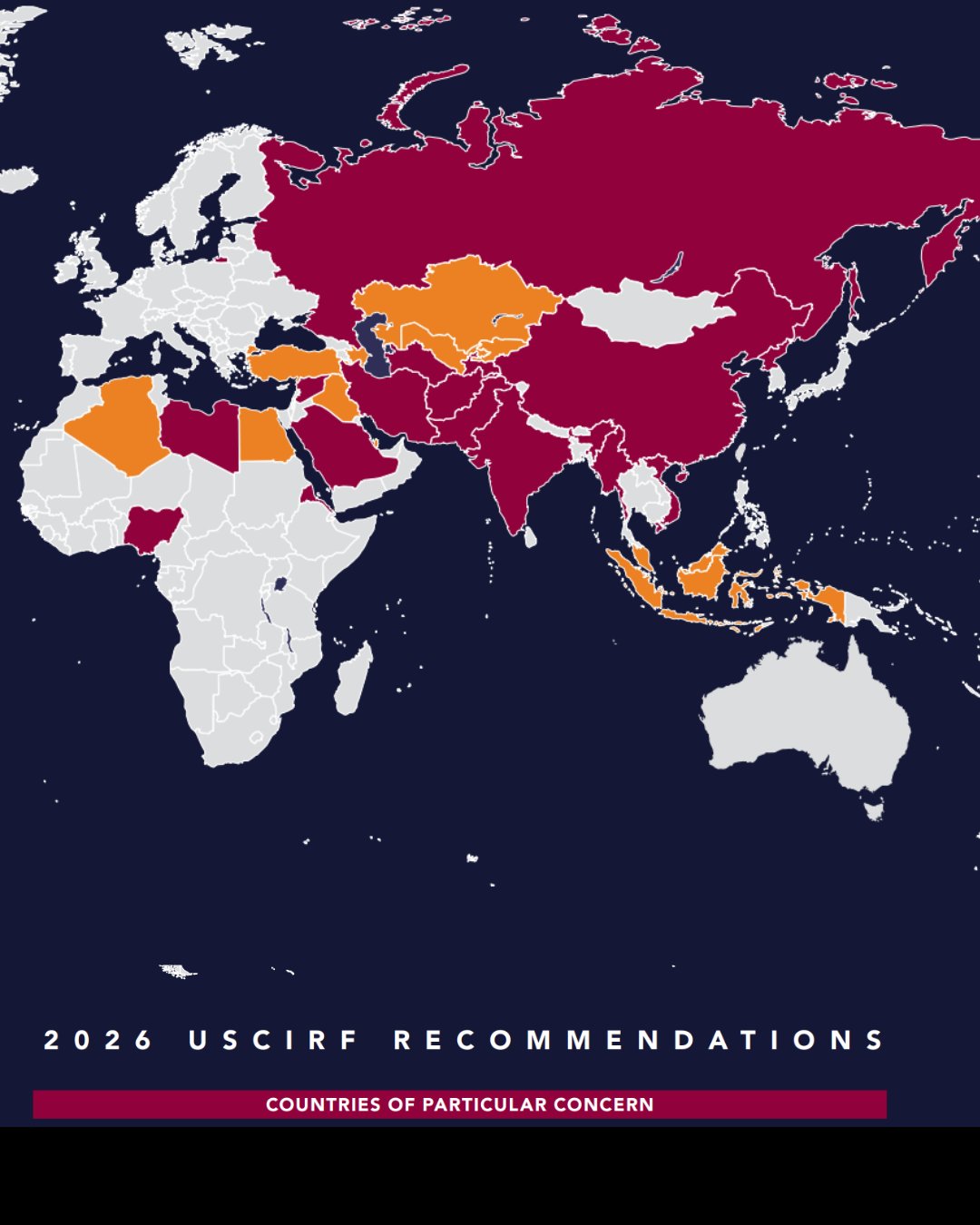
It is important to be precise. USCIRF is an independent, bipartisan advisory body; Its recommendations are not automatic policy. But that doesn’t make it symbolic or disposable. These reports shape the terms of policy conversations, public understanding, and international scrutiny. The fact that USCIRF now recommends targeted sanctions on the RSS marks a new frontier in the way the crisis is recognized in India.
There is also a deep moral truth here. Religious freedom is often invoked selectively, stripped of context, or limited to conversation. But religious freedom means nothing if it does not include the courage to name systems that terrorize minorities by wrapping themselves in the language of tradition, nation and civilization. What is at stake in India is not merely abstract pluralism. It is whether people can live, worship, organize, speak, love, and dissent without fear. The question is whether democracy can survive the continued sanctity of exclusion.
For those committed to the liberation, pluralism and moral vision of Hinduism, this moment should not be read as an attack on Hindus. It is a warning about the consequences of allowing Hindu identity to be captured by supremacist politics. Hindutva does not speak for all Hindus, and the RSS does not represent the only possible form of Hindu public life. Many of us have spent years insisting that faith based on dignity, interdependence, and moral courage should stand against domination, not sanctify it.
USCIRF’s recommendations do not automatically deliver justice. But it marks something important: a widespread rejection of looking away. It tells us that the stories communities have told, the abuses people have risked so much to document, and the warnings repeated for years by advocates are breaking through denial.
The real question now is whether policymakers will act, whether the media will take this seriously, and whether international civil society will finally consider the scale of what religious minorities and democracy defenders are facing in India.
This should not pass quietly. It must be read, shared and understood for what it is: a major acknowledgment that the machinery of religious freedom violations in India involves powerful institutions that must be named and challenged.